Image
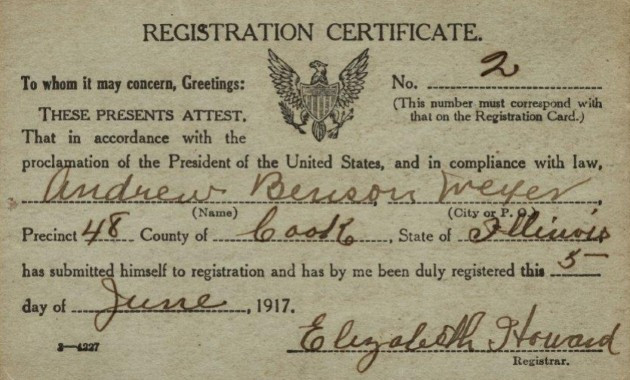
Not all Americans welcomed the entry of the United States into World War I in April 1917. Many individuals and groups organized to oppose U.S. participation. To try to silence this opposition Congress passed laws such as the Espionage Act of 1917. Charles Schenck was convicted under the Espionage Act for mailing a pamphlet criticizing the draft. The Supreme Court ultimately ruled the Espionage Act did not violate Schenck’s 1st Amendment right to freedom of speech. This lesson asks students to evaluate whether or not they think Schenck’s right to free speech was violated. To make this determination students will evaluate the 1st Amendment, the Espionage Act of 1917, and the Supreme Court’s decision.