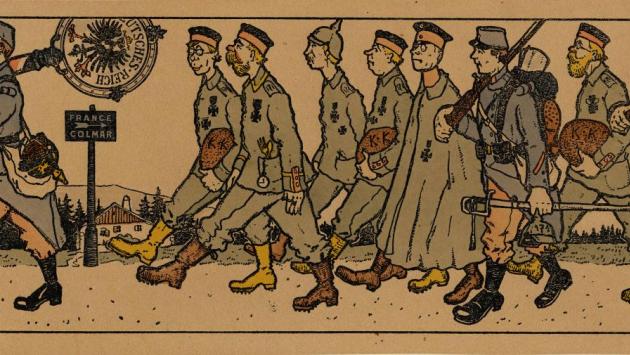
In 2010, the special exhibition Man and Machine: The German Soldier in World War I offered rare insight into the Great War by sharing stories from the German viewpoint.
From Irving Berlin’s draft registration card to the handwritten draft of the Balfour Declaration, this exhibition illustrates the lasting effects of World War I on the American Jewish population.
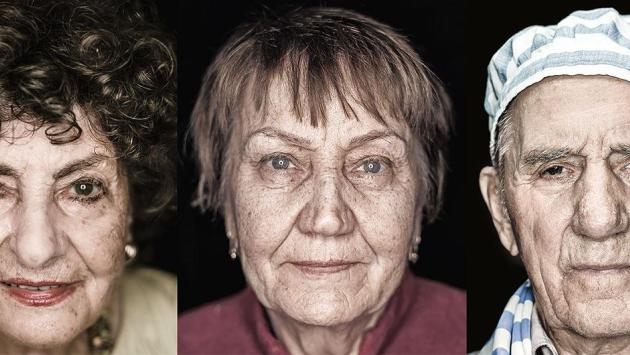
An abbreviated version of the exhibition featuring portraits of seven Holocaust survivors from Kansas City continued through Oct. 20 in front of the Museum and Memorial Main Entrance.
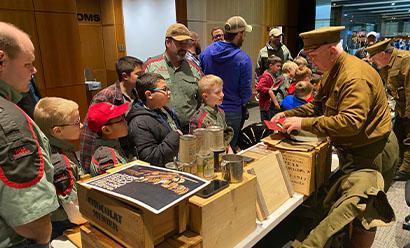
The Living History Volunteer Corps will be on site to share stories of the Great War era and make history come to life. This month, learn about global armies on the eve of their entry into the conflict.
This exhibition focuses on the art and events of the first two years of the Great War, beginning with the invasion of Belgium and the campaign on the Marne and concluding with the fruitless efforts
Etched in Memory features color etchings by British artist James Alphege Brewer (1881-1946) presenting scenes from Belgium and Northern France—cathedrals, churches and town buildings threa