By Michelle M. Kazmer
The name “Agatha Christie” evokes a sense of cozy familiarity, of the quintessential Golden Age British whodunnit writer. Fans often encounter Christie’s stories at a young age and have fond memories of curling up with a classic detective novel, or snuggling down on a chilly evening to watch one of the hundreds of TV or film adaptations of her work.
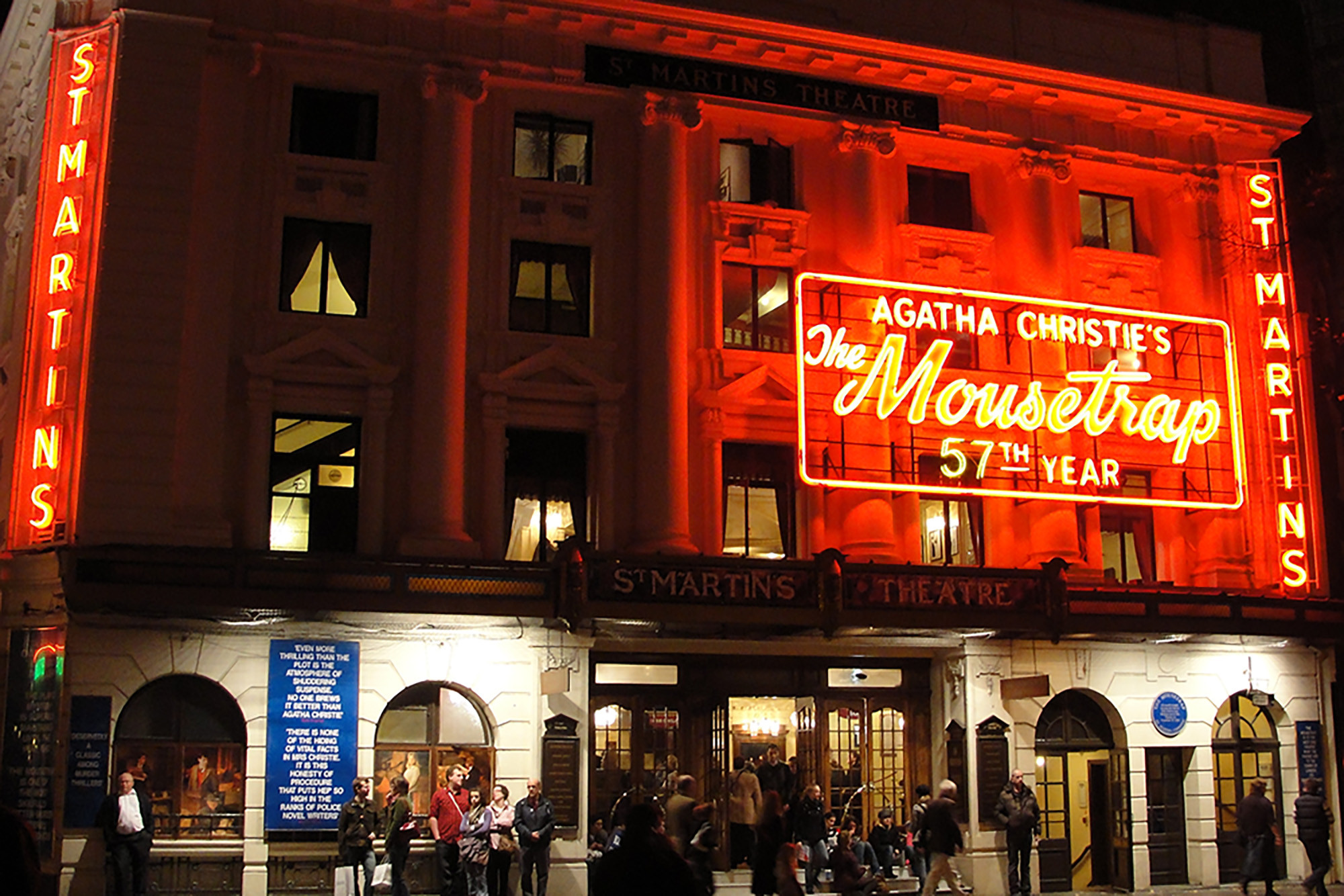
But there’s a plot twist: Christie was neither confined to the Golden Age nor was she entirely British! Her extraordinary output continued well after the interwar 1920s and 1930s, stretching to 1976 with no significant gaps in her publication career. This included 66 crime novels, more than 150 short stories, six literary novels (as Mary Westmacott) and a memoir. She wrote music compositions, poems and at least 19 plays – and was the first woman playwright to have three plays* on simultaneously in London’s West End.
*1954: “The Mousetrap,” “Witness for the Prosecution” and “Spider’s Web.”
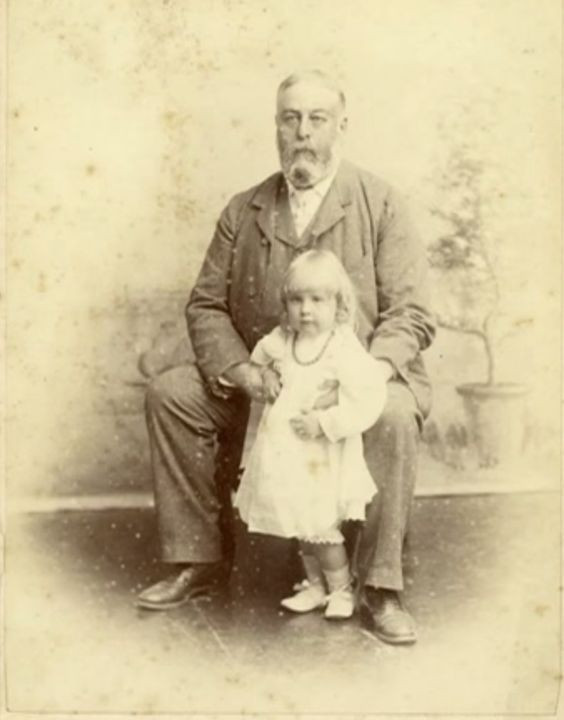
While Christie was born and raised in Devon in the southwest of England, her father was American from New York. Christie herself visited the United States a few times, as she was an avid traveler for much of her adult life. She even surfed in Hawaiʻi (then a U.S. territory) in 1922! However, she traveled mostly in Europe and West Asia. Her second husband, Max Mallowan, was an archaeologist who conducted digs at sites of ancient Mesopotamian cities. Agatha Christie Mallowan actively participated in this archaeological work.
Notwithstanding Christie’s fondness for international travel, the majority of her fiction is set within the United Kingdom – and she was also consistently and carefully contemporaneous in her writing. Throughout her career she used her keen skills of observation to incorporate realistic contemporary details into every aspect of her stories: housing, servants, class questions, social upheavals, wardrobe, food, recreation, dialogue and so forth.
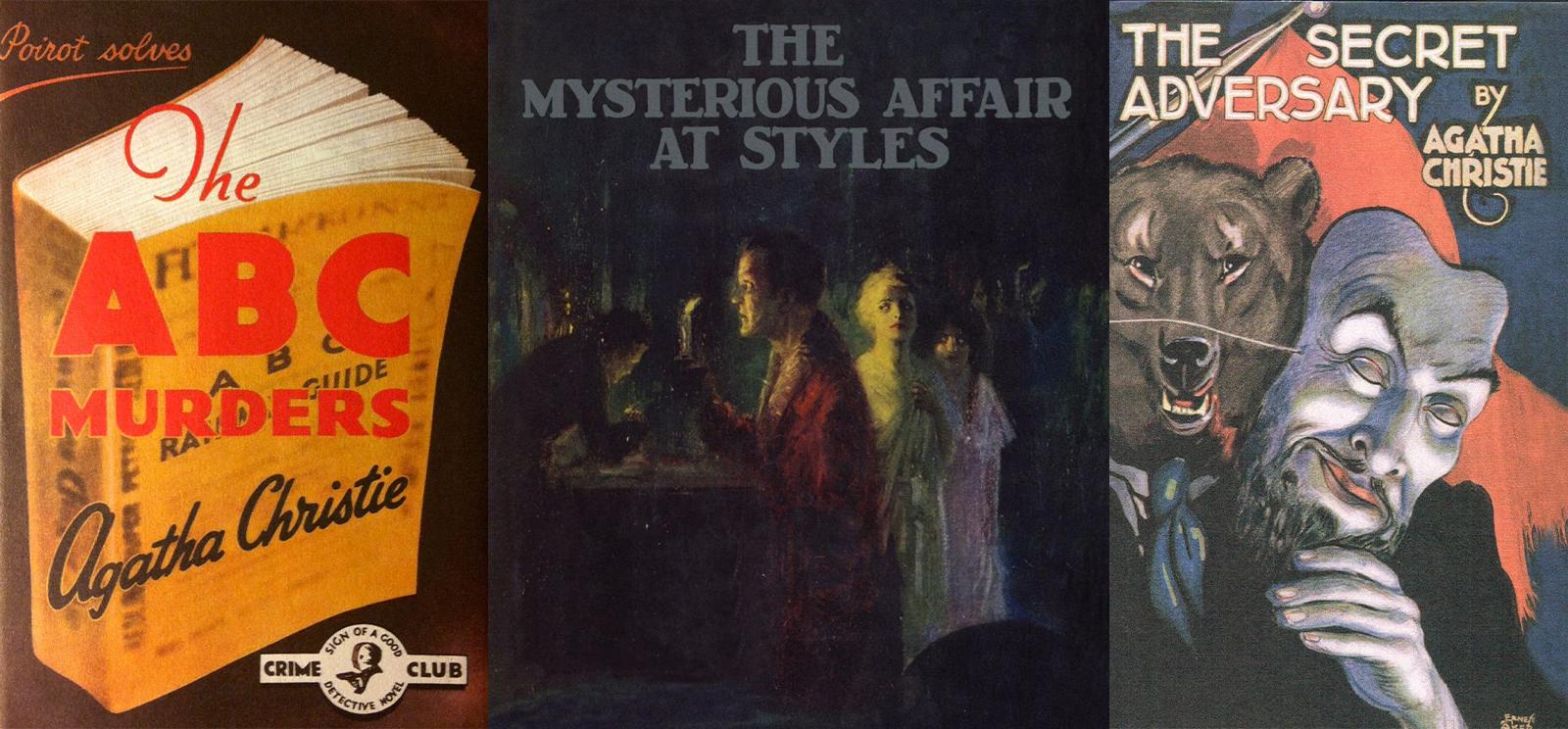
For example, in 1966’s “Third Girl” we meet a main character wearing “black high leather boots, white openwork woollen stockings[…], a skimpy skirt, and a long and sloppy pullover of heavy wool.” Compare this with characters we meet during the Golden Age proper (1920s and 1930s), such as the “lovely” and “regal” Linnet Doyle who “wore a wrap of rich purple velvet over her white satin gown” (“Death on the Nile,” 1937). Or consider Tuppence Cowley (“The Secret Adversary,” 1922), who “wore a small bright green toque over her black bobbed hair.”
-
Image
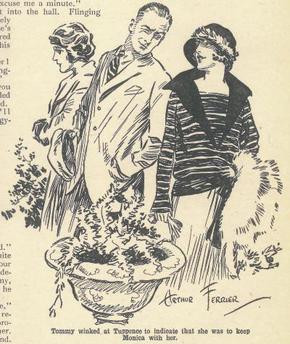
Tommy and Tuppence illustration from 1923. Courtesy Wikimedia → -
Image
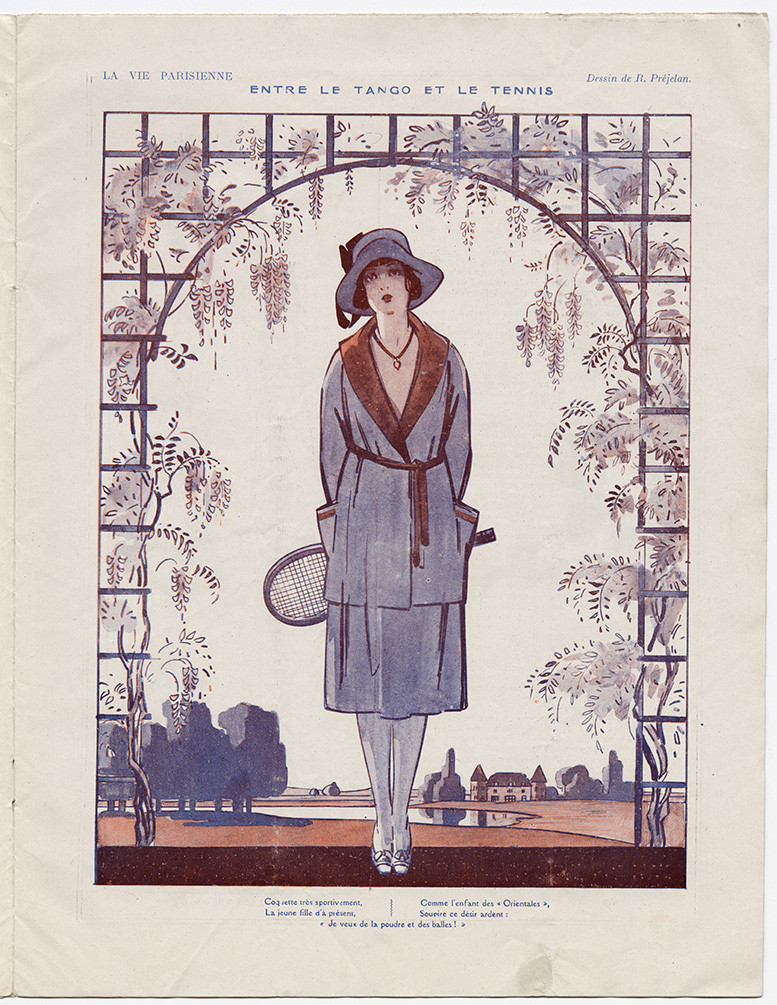
1920 fashion in the magazine "La Vie Parisienne." Object ID: 2011.17.6 →
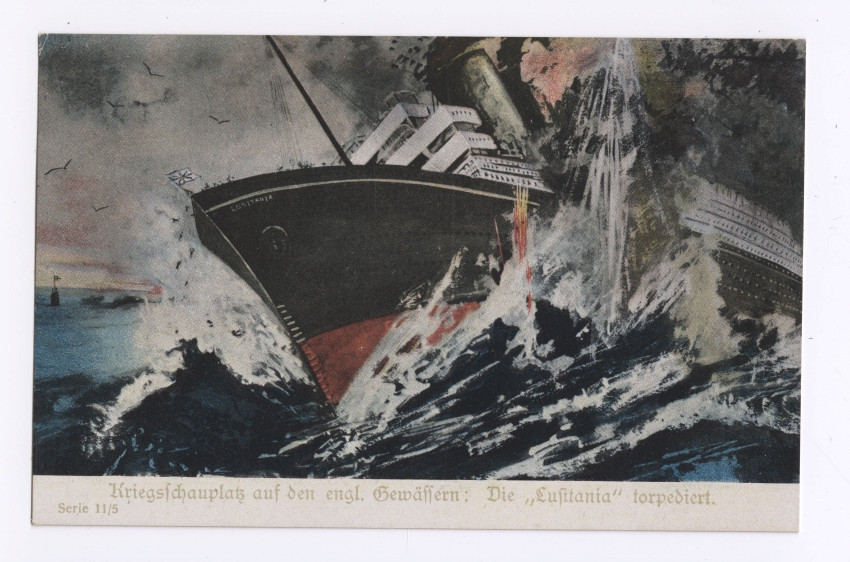
We have now moved backward through Christie's lengthy oeuvre and gotten back to 1922. “The Secret Adversary” gives us an explicit reference to World War I: the prologue takes place at “2 p.m. on the afternoon of May 7th, 1915. The Lusitania had been struck by two torpedoes in succession and was sinking rapidly.”
The whole of this novel, which is the first outing of series detectives Tommy and Tuppence (née Cowley) Beresford, is directly shaped by Christie’s lived experience in WWI and its aftermath. Young adults in immediate post-war Britain encountered economic uncertainty and generational frustration, and we see Tommy and Tuppence grapple with trying to live “back at home” after encountering both the horrors and the excitement of wartime.
At the novel’s beginning, Tommy Beresford has “finally got demobbed,” and “for ten long weary months” has been job hunting. Tuppence, freshly released from active service to the war effort first in an officer’s hospital and then as a military driver, bitterly reviews her options for getting money on which to live: “To be left it, to marry it, or to make it.” Christie wove this kind of keen social observation and commentary into her fiction all her life – from the immediate post-WWI days, through the interwar period, through WWII and its post-war era, and well into the Cold War.
What did Christie experience in the First World War herself?
There is an argument that without the war, her entire genre-shaping oeuvre of crime fiction would not exist.
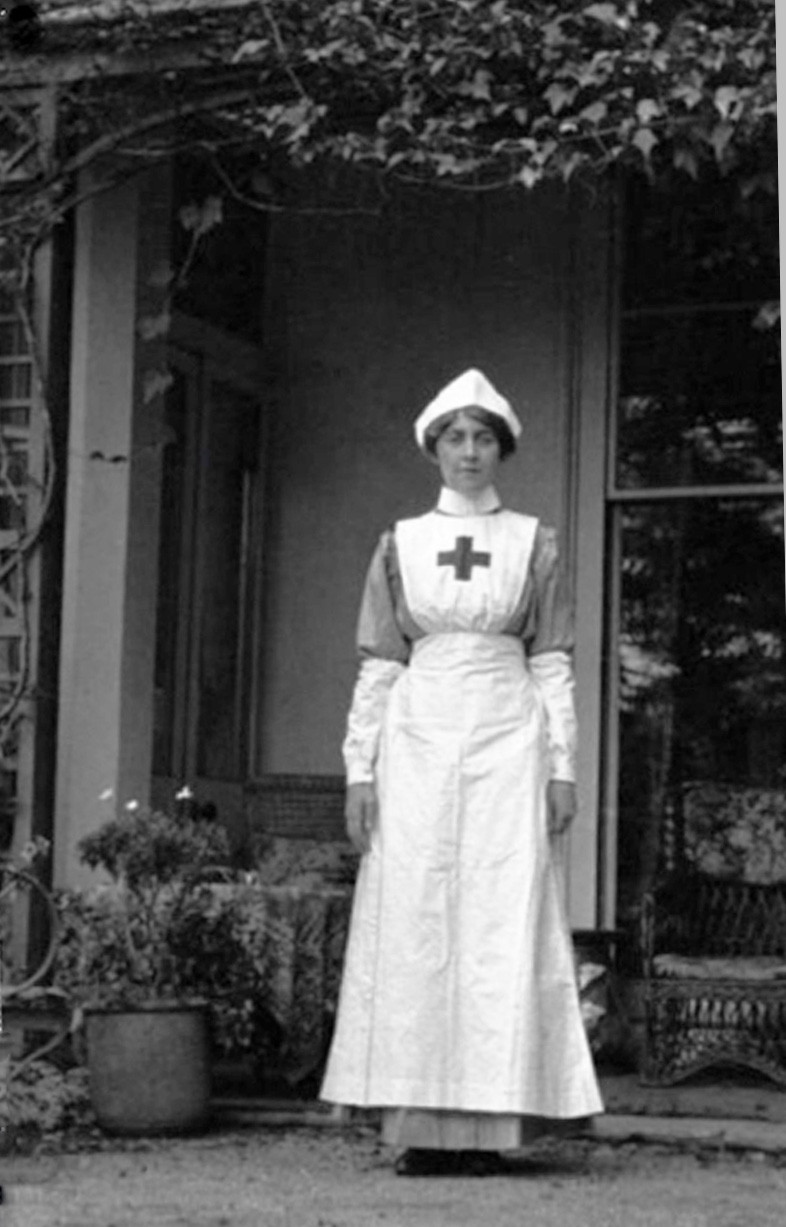
The young Agatha Christie – née Miller, having married Archie Christie of the Royal Flying Corps on Dec. 24, 1914 – participated actively in the war effort, like many women in Britain. As part of the Voluntary Aid Detachment (VAD) in Torquay, she first worked as a nurse, treating wounded soldiers and assisting with surgical operations.
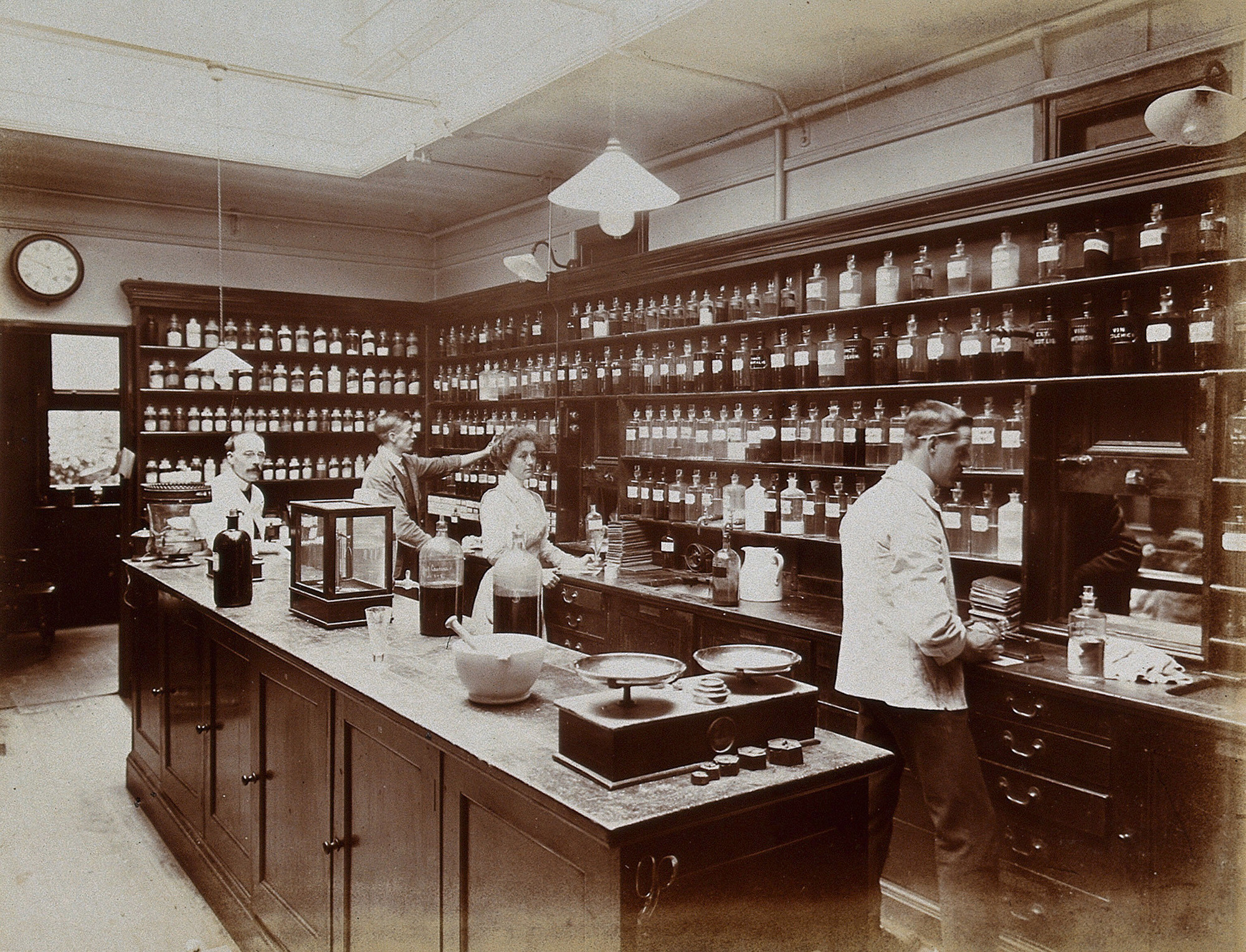
In 1917, she sat for the three examinations required for the Assistant to an Apothecary Certificate, the official certification of legal status created by the Apothecaries Act of 1815. The examinations included a practical pharmacy examination plus two oral examinations: in prescriptions and pharmacy, and in chemistry. These rigorous and detailed examinations were necessary because the certified assistant was responsible for interpreting prescriptions, judging for errors or hazards in them, and accurately compounding medications accordingly.
Christie took the responsibility seriously, and this gravity found its way into her first published crime novel: “The Mysterious Affair at Styles” (1920), set in 1916. The young character Cynthia Murdoch, performing her own VAD service in the military pharmacy, admonishes, “If you people only knew how fatally easy it is to poison someone by mistake, you wouldn’t joke about it.”
And thus is foreshadowed the first murder of hundreds to be committed in the fictional worlds of Agatha Christie. Although almost every possible murder method is used, considered or discussed in her stories, she returned to poison time and again with plots that were creative – as well as chemically and biologically accurate.
-
Poison is not the only way Christie’s World War I service appears in her writing. “The Mysterious Affair at Styles” also introduced the world to one of the most celebrated* fictional detectives of all time, M. Hercule Poirot. Poirot appears in the fictional town of Styles St. Mary as a war refugee from Belgium, one of approximately 250,000 Belgians who sought refuge in Britain during the First World War. Christie references Poirot’s experience as a refugee throughout his stories. She makes clear that the war has shaped not only his gratitude toward his adopted country but also his positive feelings toward others who are displaced or otherwise made to feel unwanted.
*Celebrated and mourned. The New York Times published an obituary for Poirot on Aug. 6, 1975, the first fictional character to be honored this way.
-
Image
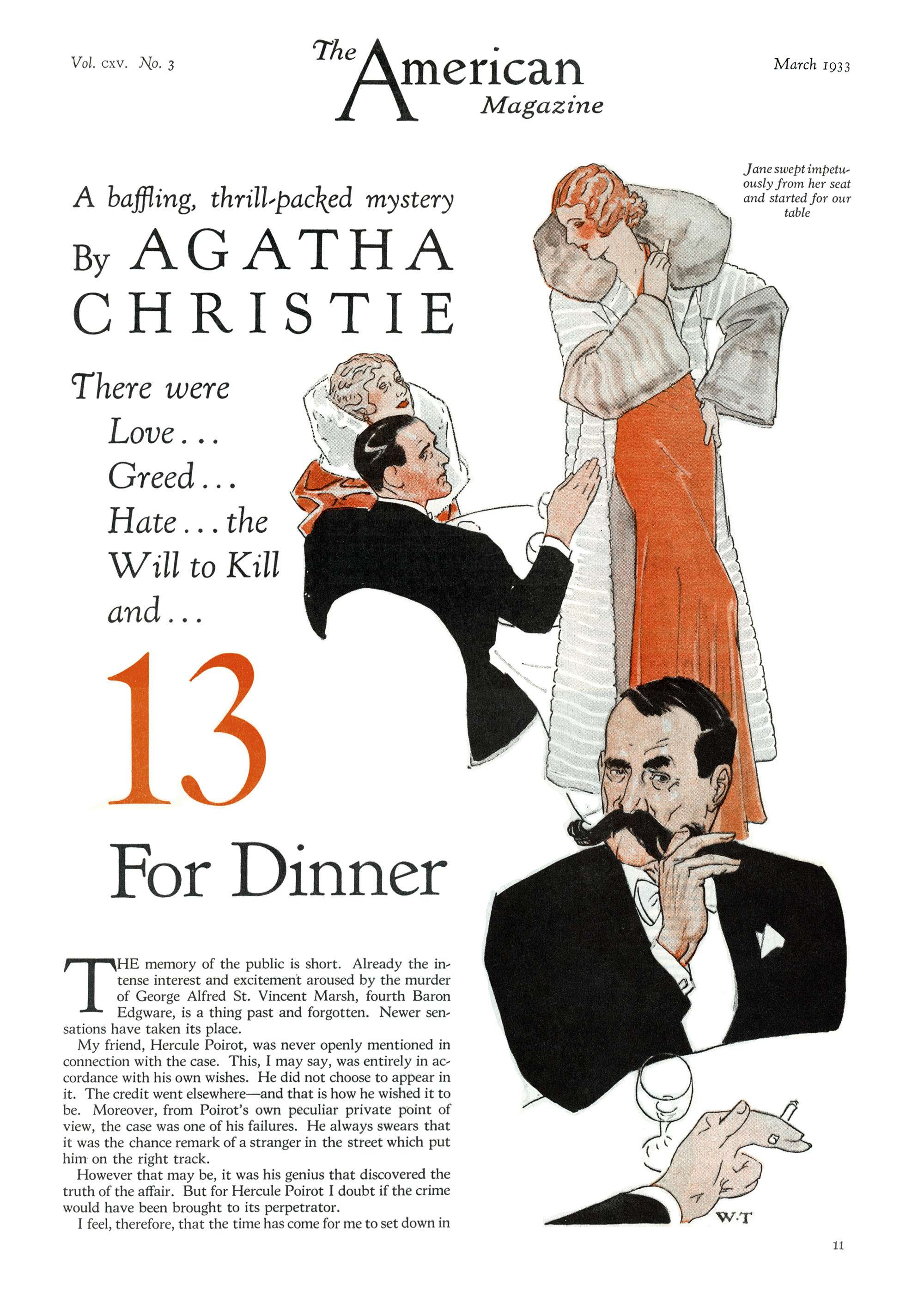
Illustration from The American Magazine, March 1933 printing of “13 For Dinner,” a novel by Agatha Christie. Featuring an illustration of Hercule Poirot. Courtesy Wikimedia → -
Throughout her 1920s and 1930s fiction, Christie mentions people who were affected by WWI, or situations precipitated by it. Deaths that occurred during the war caused conflicts of thwarted youth, women married men who weren’t their first choices, and inheritances went awry.
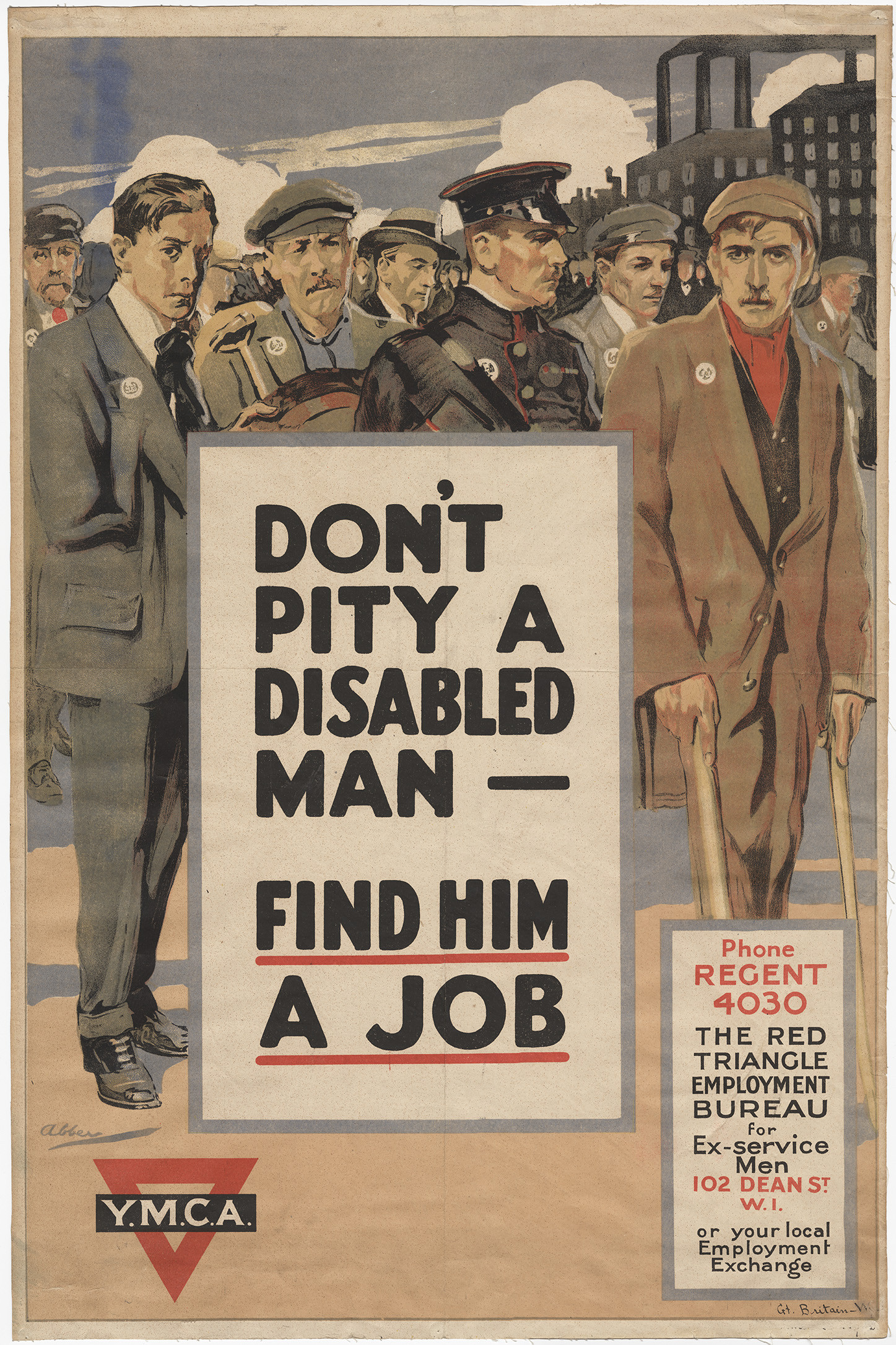
Her 1936 novel “The ABC Murders” notably features a character who fought in the war and has somewhat unexpected reflections about it. Mr. Alexander Bonaparte Cust was discharged from service after a head wound and has gone down in the world: the book finds him working as a door-to-door stockings salesman. In a private conversation with Hercule Poirot, he says, “I enjoyed the war. What I had of it, that was. I felt, for the first time, a man like anybody else. We were all in the same box. I was as good as anyone else.”
Christie’s nuanced sense of character enriches this work as it does many others. Her experiences, as well as those of the whole of Britain, are reflected repeatedly in her most famous detective, Hercule Poirot; in the poisons she wrote as murder weapons throughout her career; and in the details drawn from during and after WWI that resonate through the decades. It is undeniable that the world’s best-selling novelist of all time launched a career in crime fiction that changed the world, and she did it using her knowledge, experience and training from World War I.

Michelle M. Kazmer, MLS, PhD, is Dean of the College of Communication and Information, at Florida State University, Tallahassee, USA. Since 2014, Kazmer has maintained a research agenda applying information science theories to Golden Age detective fiction, focused on Agatha Christie. She has written about information behavior in Agatha Christie's Parker Pine short stories; the character of Jessica Fletcher from the television series “Murder, She Wrote” in comparison with Christie's Jane Marple; and a comparison of Archie Goodwin from Rex Stout's Nero Wolfe mysteries with Arthur Hastings from Christie's Poirot stories.
Kazmer was on the team of researchers who developed the script for the BBC Maestro course “Agatha Christie on Writing.” She delivered the keynote address at the Agatha Christie scholarly conference in 2023, and has presented at the International Agatha Christie Festival. She has twice been a guest on the “All About Agatha” podcast hosted by Kemper Donovan and has been on the BBC World Forum with Dr. Mark Aldridge and James Prichard, who is Agatha Christie's great-grandson and is Chairman and CEO of Agatha Christie Limited.