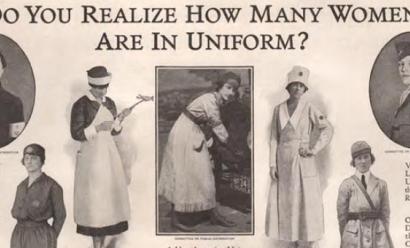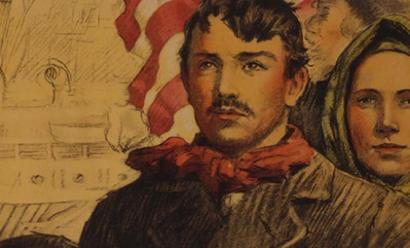


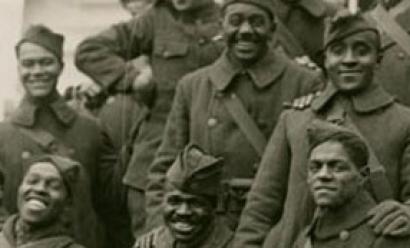
The three lessons in this unit explore the integration of foreign-born soldiers into the U.S. military during World War I and compares it to the integration of foreign-born civilians during World War...
From transportation, to communication, security, comfort and morale, animals have been indispensable human partners throughout history. It is therefore not surprising that animals have played...
Animals played a large role during the conflict known as the Great War. From traditional warfare animals such as horses and dogs to exotic animals such as lions, monkeys, and bears, animals of all...
Anna Coleman Ladd, born in Philadelphia in 1878, was a well-known sculptor in the city of Boston by the outbreak of World War I. Like many other American women who dedicated much of their time to...
This three-lesson unit examines artistic expression from complementary perspectives of two American World War I soldiers. These works of art shed light on World War I in a compelling and very human...
After leading Turkey to victory in its war of independence, Mustafa Kemal, known as Atatürk, pushed forward a series of reforms meant to modernize the new Turkish state. Among these was the granting...
The Battle of the Somme was a definitive campaign of the First World War. Unprecedented casualties resulted from intense trench warfare and new military technologies. In this lesson, students analyze...
This handout from the National World War I Museum and Memorial, written in the style of a breaking news alert, explains the events of June 28, 1914, when Archduke Franz Ferdinand was assassinated.
From the American Battle Monuments Commission, in conjunction with the University of North Carolina-Chapel Hill and Virginia Tech, Bringing the Great War Home: Teaching with the Meuse-Argonne American...
From the Canadian War Museum, explore Canada's contributions to WWI. This series of articles looks into the history and technology of the war, through articles and objects from the museum's collection...
Written by Dennis Cross, this blog reviews the events of war one hundred years ago to the date. Each month, Cross creates a full article on the war's events with an extensive list of sources and...
Dennis Cross, Centennial Countdown to the Great War
Why is WWI considered the first "modern" war? In this lesson, high school students will consider the advancement in technology and, specifically, adaptations of trench warfare based on technological advances through discussion, primary sources and a hands-on activity.
These documents, supported by the French Centennial commission, look at the U.S. entry to WWI and its continued impact through the specific story of Château de Chavaniac-Lafayette. Originally created...
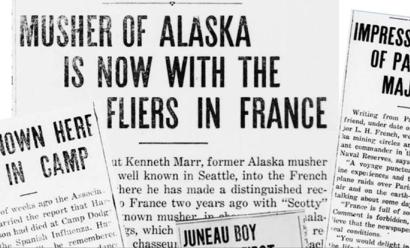
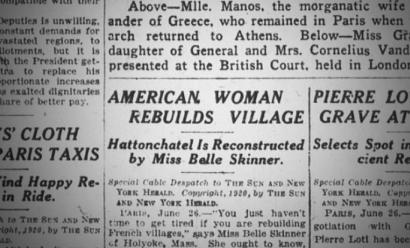
Tens of thousands of historic U.S. newspaper pages from 1836-1922 document world events and everyday American life, including the era of the First World War and its aftermath.
European colonies mobilized to assist with the war effort. After the Armistice, many colonists took hope from Woodrow Wilson's idea of "self-determination" from his Fourteen Points. This article...